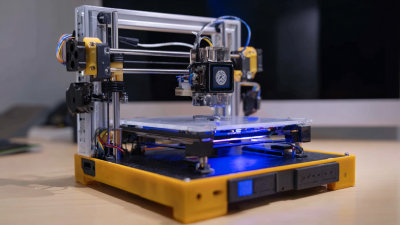
Why Choose 3D Systems Printers for Global Buyers?
For global manufacturers, choosing 3d systems printers is not simply a matter of comparing speed, price, or build volume. The decision affects production quality, operator training, material supply, and after-sales support. A medical device team in Germany may need strict process documentation. An automotive supplier in Mexico may prioritize repeatability and rapid tooling. An engineering studio in Singapore may value compact equipment and flexible materials.
Chuck Hull, 3D Systems’ co-founder and the inventor of stereolithography, once said, “I saw the opportunity to make a difference in the way products were designed and manufactured.” His observation still reflects the practical value of additive manufacturing. 3d systems printers can support prototypes, production parts, dental applications, and industrial tooling. However, no printer solves every manufacturing challenge. That matters.
Experienced buyers should examine layer resolution, material compatibility, software integration, maintenance requirements, and local technical assistance. They should also request sample parts before committing to a regional rollout. A detailed test reveals surface finish, dimensional stability, and post-processing demands more clearly than a brochure.
Global purchasing also requires careful verification. Warranty coverage, installation training, spare-parts availability, and regional certifications can influence long-term operating costs. Some buyers may discover that a cheaper machine creates higher labor expenses later. Others may overestimate their staff’s readiness. That is an uncomfortable possibility.
The strongest choice depends on application evidence, not brand reputation alone. This article examines why 3d systems printers remain important for international buyers, while recognizing their limitations, operational risks, and need for disciplined evaluation.
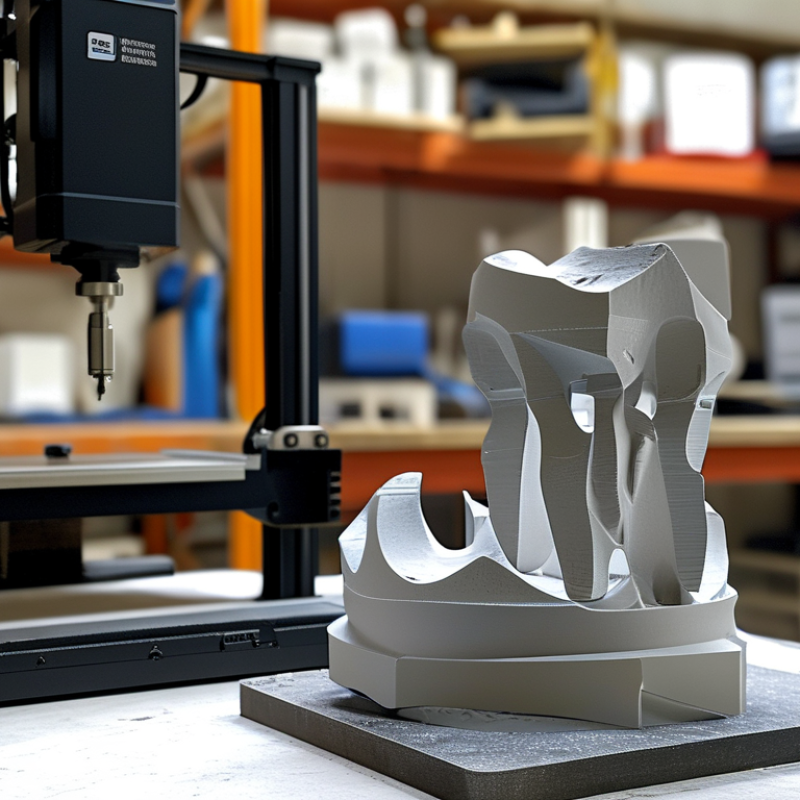
3D Systems Printers: Company Background and Core Technologies
The manufacturer’s background reaches back to the early commercial stereolithography era of the 1980s. That history matters because industrial printing requires more than attractive prototypes. It demands repeatable processes, qualified materials, and dependable service. The Wohlers Report 2024 valued the global additive manufacturing market at approximately 20.035 billion US dollars in 2023, with 13.5% annual growth. Such expansion increases pressure on suppliers to prove production capability, not just advertise speed.
Its core technologies cover several manufacturing needs. Stereolithography uses liquid resin and controlled light to produce smooth, detailed parts. Powder-bed systems selectively fuse polymer or metal layers inside a controlled chamber. These methods support dental models, aerospace fixtures, medical components, and low-volume production. ASTM International standards also emphasize process control, material traceability, and testing. Buyers should examine these areas before comparing print resolution. A fine layer does not guarantee a strong final part.
In practical use, the workflow includes slicing, calibration, printing, washing or depowdering, curing, and inspection. I would not call it plug-and-play. Operators still manage humidity, powder condition, resin age, and support removal. That is where some expectations fail. The company’s long technical background is valuable, but older platforms may not fit every modern factory. Global buyers should request test parts, maintenance records, and regional training details. A careful trial often reveals more than a polished specification sheet.
Why Choose 3D Systems Printers for Global Buyers?
Additive manufacturing technologies have developed across multiple process families, supporting diverse production requirements.
The chart shows approximate milestone years for major additive manufacturing process families. These technologies cover photopolymerization, powder-bed fusion, material extrusion, electron-beam processing, and binder-based manufacturing.
How 3D Systems Printing Processes Work
A 3D printer turns a digital design into a physical object through controlled layers.
The process begins with a CAD model, which is divided into thin cross-sections by slicing software. Each layer contains specific paths, speeds, and material settings. Small errors here can become visible on the final surface.
Different printing methods shape materials in different ways.
Filament systems soften plastic through a heated nozzle, then place narrow beads along programmed paths. Resin systems cure liquid material with light, creating detailed parts layer by layer. Powder-based systems selectively fuse fine particles using heat or another energy source. The unused powder may support complex forms, but it still needs careful removal.
Material choice affects strength, flexibility, accuracy, and surface texture.
A functional bracket may need heat-resistant polymer, while a display model may prioritize fine detail. Operators check nozzle temperature, platform leveling, resin exposure, or powder condition before production. They also inspect warping, weak bonding, and dimensional drift after printing.
Tiny marks matter.
The practical workflow is rarely perfect.
Humidity can change filament behavior, and a slightly damaged build surface can distort the first layer. I recommend printing a small test piece before producing a costly component. Measurements should be verified with calipers, not visual judgment alone. Reliable results come from documented settings, routine maintenance, and honest review of failed prints.
Key Printer Features for Global Manufacturing Needs
Global manufacturing needs more than impressive layer resolution. In production trials, teams usually examine build volume, repeatability, material compatibility, and service access. A printer should handle the planned part range without constant manual adjustment. Large build chambers help consolidate components, while smaller systems may reduce energy use and setup time. Neither option is automatically better. It depends on throughput, part size, and operator skill.
Reliable thermal management matters when parts face heat, vibration, or repeated loading. Closed chambers, calibrated temperature monitoring, and stable extrusion or resin control can reduce warping and inconsistent surfaces. Automated bed leveling and condition alerts also support safer, more repeatable workflows. Keep it practical. A polished brochure cannot replace measured test prints. Buyers should request dimensional data, surface-finish samples, and documented maintenance intervals before purchase.
For overseas facilities, software compatibility and local training are critical. Remote diagnostics can shorten downtime, but only when technicians can access clear logs and replacement parts arrive on time. Check electrical requirements, ventilation guidance, language support, and regional compliance documents. These details feel ordinary. They decide daily productivity. My own preference is to test a difficult geometry, not just an attractive sample. The test may fail. That failure often reveals cooling limits, support weaknesses, or unrealistic production assumptions. A dependable purchase leaves room for that lesson.
Material Options, Software, and Workflow Compatibility
Global buyers often evaluate professional 3D printers through material choice, software support, and workflow compatibility. These factors shape daily production more than headline print speed. A printer may handle strong polymers, flexible materials, or heat-resistant resins. Each option serves a different purpose. Fit matters.
In practical testing, material behavior becomes visible quickly. A prototype with thin clips may warp when the selected material cools unevenly. A rigid housing may print well but fail during repeated assembly. Experienced teams check strength, surface finish, moisture sensitivity, and post-processing requirements before ordering. They also review regional material availability and storage conditions. This reduces delays caused by importing specialized supplies. Still, material charts are not final answers. Real parts deserve trial prints.
Software should connect design, preparation, monitoring, and quality records without creating extra manual work. Common file formats help, but translation errors can still change small features. Engineers should inspect supports, wall thickness, orientation, and build estimates before production. Workflow compatibility also includes operator training, maintenance routines, and integration with existing inspection tools. A reliable system should make results repeatable across shifts and locations. That goal is harder than it sounds. Even a capable printer can underperform when settings are poorly documented or teams overlook calibration. Careful testing, honest review, and measurable process controls support better buying decisions.
Evaluating Costs, Support, and International Deployment Factors
For global buyers, printer cost is only the visible part of the investment. Wohlers Associates’ 2024 industry report valued the global additive manufacturing market at approximately $20.0 billion in 2023. That growth increases supplier choice, but it also complicates comparisons. Buyers should calculate total cost of ownership, including materials, energy, software, operator training, maintenance, post-processing, customs, and downtime. A cheaper machine can become expensive after one delayed spare-parts shipment.
Support deserves equal attention. Ask whether technicians cover your time zone, whether critical components are stocked locally, and how quickly remote diagnostics begin. ISO/ASTM 52900 provides common additive manufacturing terminology, yet practical service quality still varies by region. During international deployment, electrical requirements, workplace rules, language, data handling, and material documentation need review. These details often appear after purchase.
They should not.
In my experience, a reliable deployment plan includes sample-part validation, operator certification, preventive-maintenance schedules, and a written escalation path. The AM Research 2024 market analysis also indicates continuing investment in industrial additive manufacturing, making long-term support capacity increasingly important. However, forecasts are not guarantees. Buyers should request reference sites with similar production volumes and climates. I would also challenge optimistic productivity claims; laboratory results may not reflect factory humidity, staffing gaps, or customs delays. A capable printer matters, but predictable service usually protects the investment better.