Top 5 Professional 3D Printers for High-Quality Prototyping and Design
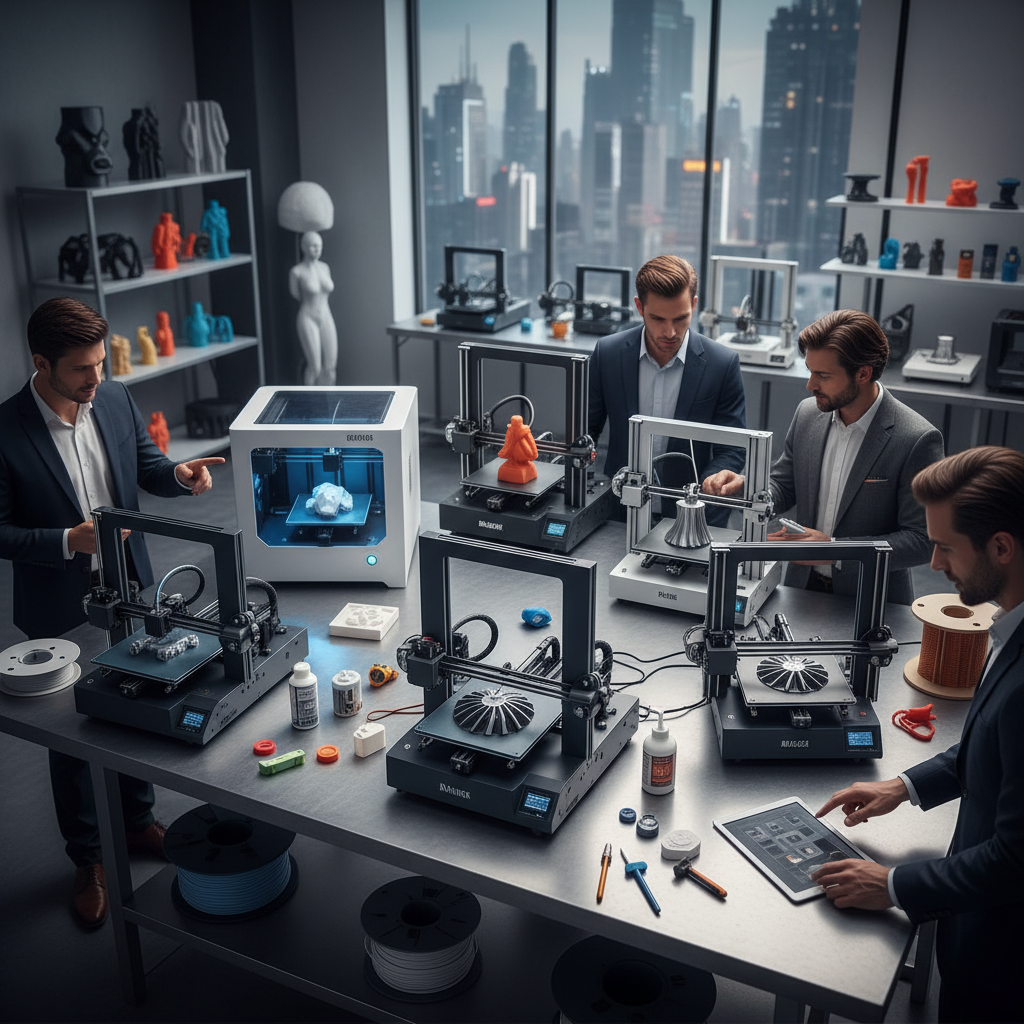
In the ever-evolving world of technology and design, professional 3D printers have emerged as indispensable tools for engineers, designers, and innovators seeking to elevate their prototyping capabilities. These sophisticated machines enable the creation of intricate models and components with unparalleled precision and quality. As industries continue to push the boundaries of creativity and functionality, selecting the right professional 3D printer can significantly enhance design workflows and lead to groundbreaking advancements.
This article presents a carefully curated list of the top 5 professional 3D printers currently available, focusing on their unique features, strengths, and suitability for high-quality prototyping. Whether you are an established company looking to upgrade your equipment or a budding entrepreneur taking your first steps into the 3D printing realm, understanding the distinctions among these top-tier printers is essential. With a wide range of technologies and materials now at our disposal, the choices can be overwhelming. However, this guide aims to simplify the decision-making process, allowing you to make informed choices that align with your specific project needs and professional standards.
Top Features to Look for in High-Quality 3D Printers for Prototyping
In recent years, the 3D printing industry has seen remarkable growth, particularly in the SLS (Selective Laser Sintering) segment, which has reached a market value of approximately $1.353 billion in 2023 and is projected to grow to $2.8118 billion by 2032, reflecting a compound annual growth rate (CAGR) of 8.5%. This growth indicates a rising demand for high-quality 3D printers that cater specifically to prototyping needs.
When selecting a professional 3D printer for high-quality prototyping, several key features should be prioritized. First, print accuracy and resolution are critical, as they determine the level of detail achievable in prototypes. Advanced printers utilize higher precision in their laser technologies to produce intricate designs with minimal post-processing. Additionally, build volume is an important consideration; larger build areas allow for the creation of bigger prototypes or multiple prototypes at once, enhancing overall productivity. Finally, material versatility plays a crucial role; printers that can handle a range of materials such as plastics, metals, and composites provide the flexibility needed for diverse applications, thus appealing to small business owners looking to leverage 3D printing for custom production and component manufacturing.
Top 5 Professional 3D Printers for High-Quality Prototyping and Design
| Feature |
Printer 1 |
Printer 2 |
Printer 3 |
Printer 4 |
Printer 5 |
| Layer Resolution (microns) |
20 - 100 |
50 - 200 |
25 - 75 |
30 - 100 |
50 - 150 |
| Print Volume (mm) |
300 x 300 x 400 |
250 x 250 x 300 |
400 x 400 x 500 |
210 x 210 x 205 |
500 x 500 x 600 |
| Materials Supported |
PLA, ABS, PETG |
PLA, TPU, Nylon |
PLA, ABS, HIPS |
PLA, PC, PETG |
PLA, Carbon Fiber, Wood |
| Connectivity Options |
USB, Wi-Fi |
USB, Ethernet |
SD Card, USB |
Wi-Fi, USB |
Ethernet, USB |
| Price Range (USD) |
$3,000 - $5,000 |
$2,500 - $4,000 |
$4,000 - $7,000 |
$1,500 - $2,500 |
$6,000 - $10,000 |
Comparison of Material Compatibility for Professional 3D Printers
When selecting a professional 3D printer, material compatibility is a crucial factor that can significantly impact your prototyping and design outcomes.
Models such as those with heated build chambers allow for the use of advanced materials which can withstand demanding applications.
For instance, a 3D printer capable of heating the build chamber up to 90°C opens up a range of material options including high-performance filaments such as PEEK and PEI.
These materials are essential for professionals who require durable and heat-resistant prototypes.
Additionally, the LDO Voron 2.4-300 printer is designed for both professionals and hobbyists, emphasizing its configurable nature and high-speed performance while accommodating various filament types.
This versatility allows users to experiment with different materials, pushing the boundaries of what can be achieved in design and prototyping.
Ultimately, evaluating material compatibility alongside printer specifications will help in selecting a machine that meets specific project needs effectively.
Evaluating Print Speed and Resolution in Professional 3D Printers
In the competitive landscape of professional 3D printing, finding the right machine for high-quality prototyping involves careful consideration of print speed and resolution. With the global dental 3D printing market expected to grow from $174.1 million in 2025 to $345.2 million by 2032 at a CAGR of 10.3%, the need for reliable, high-performance printers is increasingly evident. Among the touted advancements is the Photon Mono X, which promises enhanced resolution and processing times of up to 80 mm/h, making it a formidable choice for those in the design and prototyping fields.
When selecting a 3D printer, prioritize those that offer high resolution and fast print speeds to ensure that you can produce prototypes swiftly without sacrificing quality. Tips: Look for models that provide at least 4K resolution for detailed outputs, and consider those that allow for easy resin changes for greater versatility in your projects. Additionally, keep an eye on emerging technologies, such as multi-material 3D printing, which can provide more innovative design options by integrating both hard and soft materials seamlessly.
Investing in a 3D printer with these capabilities will not only improve workflow efficiency but also elevate the overall quality of prototypes you produce, aligning with industry growth trends. Remember to stay updated on the latest advancements to ensure your equipment meets the evolving demands of your projects.
Best Practices for Optimizing 3D Printing Workflow
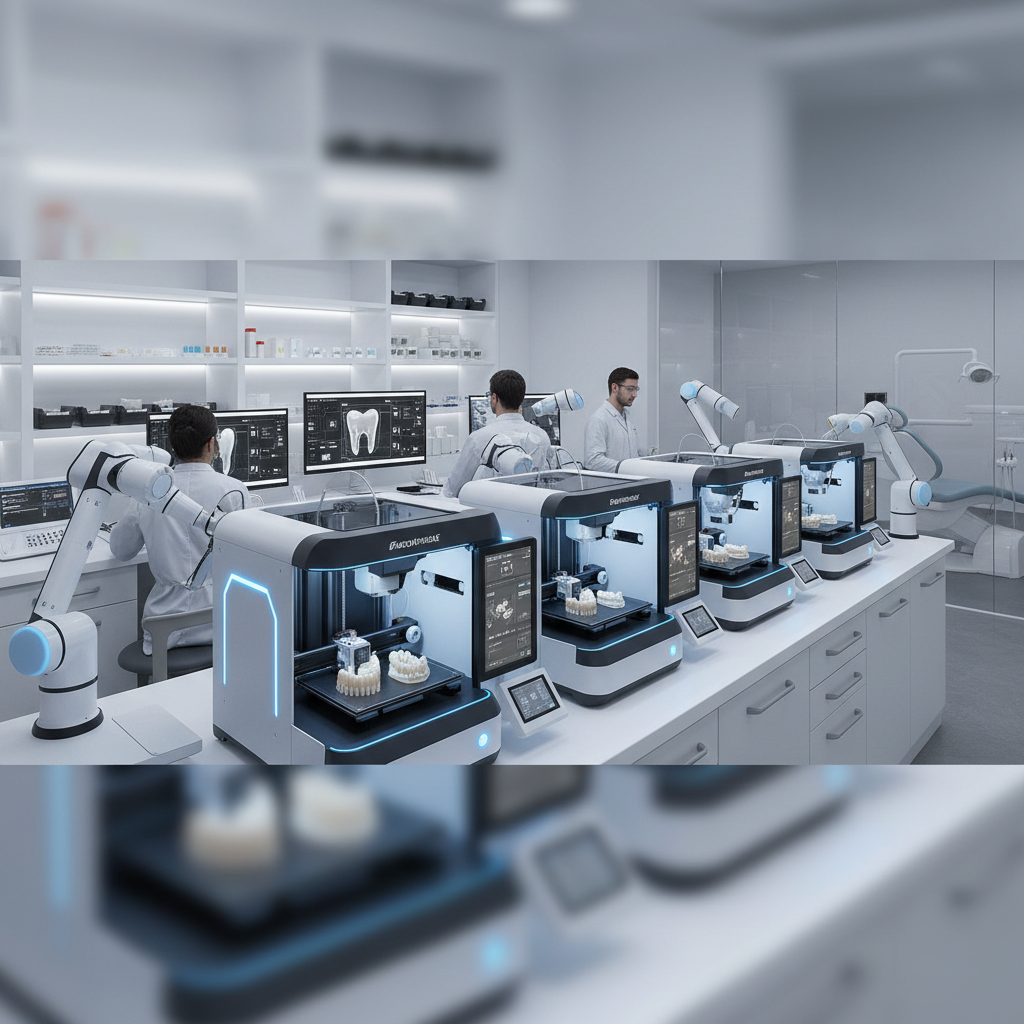
When it comes to optimizing the 3D printing workflow, especially in the dental sector, adhering to best practices can drastically enhance the quality and efficiency of prototyping and design. The dental 3D printer market is projected to reach significant growth, with technology advancements driving demand. Reports indicate that the market for dental 3D printing is expected to surpass USD 6 billion by 2025, indicating a robust adoption of both in-office and in-lab solutions.
To maximize productivity, practitioners should streamline their printing processes. This includes the use of advanced software solutions for better design and print management, which can reduce errors and enhance precision. Moreover, leveraging the latest technology such as Stereolithography (SLA) and Digital Light Processing (DLP) is essential. These technologies provide high-resolution prints capable of capturing intricate details required for dental applications. Implementing a well-defined workflow that incorporates regular maintenance of printers and rigorous material selection will ensure consistent output quality, ultimately leading to superior prototypes and successful patient outcomes.
Future Trends in 3D Printing Technology for Prototyping and Design
The future of 3D printing technology is shaping the landscape of prototyping and design with exciting innovations on the horizon. One prominent trend is the rise of multi-material printing, allowing designers to create complex prototypes using various materials in a single print. This capability not only enhances aesthetic appeal but also improves functionality, enabling prototypes that mimic the properties of final products.
Another emerging trend is the integration of artificial intelligence (AI) in the design process. AI tools can optimize designs for 3D printing by suggesting modifications that reduce material use or enhance structural integrity. As these technologies advance, we can expect a more automated design workflow, allowing designers to focus on creativity rather than tedious adjustments.
**Tips:** When incorporating new 3D printing technologies, it's crucial to stay updated with industry standards and best practices. Additionally, consider experimenting with different materials to fully exploit the capabilities of multi-material printing. Embrace AI tools not just as aids, but as collaborative partners in your design journey, allowing you to push the boundaries of what’s possible in your prototypes.
Top 5 Professional 3D Printers for High-Quality Prototyping and Design
This bar chart presents the print quality of the top 5 professional 3D printers, measured in millimeters. This data serves as an indicator of their precision and suitability for high-quality prototyping and design.