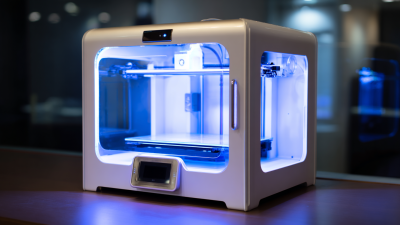
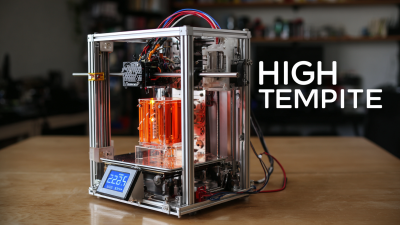
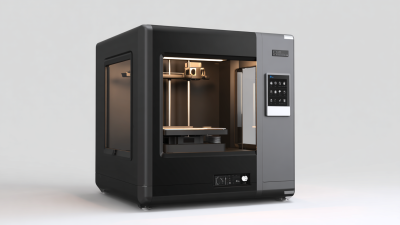
What is a High End 3D Printer and How It Transforms Your Creations
In recent years, the 3D printing industry has witnessed a significant evolution, particularly in the realm of high end 3D printers. As demand for precision and sophistication has surged, these advanced machines have become indispensable tools across various sectors, including aerospace, automotive, and healthcare. According to a recent report by MarketsandMarkets, the global 3D printing market is expected to grow from USD 13.92 billion in 2020 to USD 34.81 billion by 2026, indicating the pivotal role that advanced technologies play in shaping modern manufacturing practices.
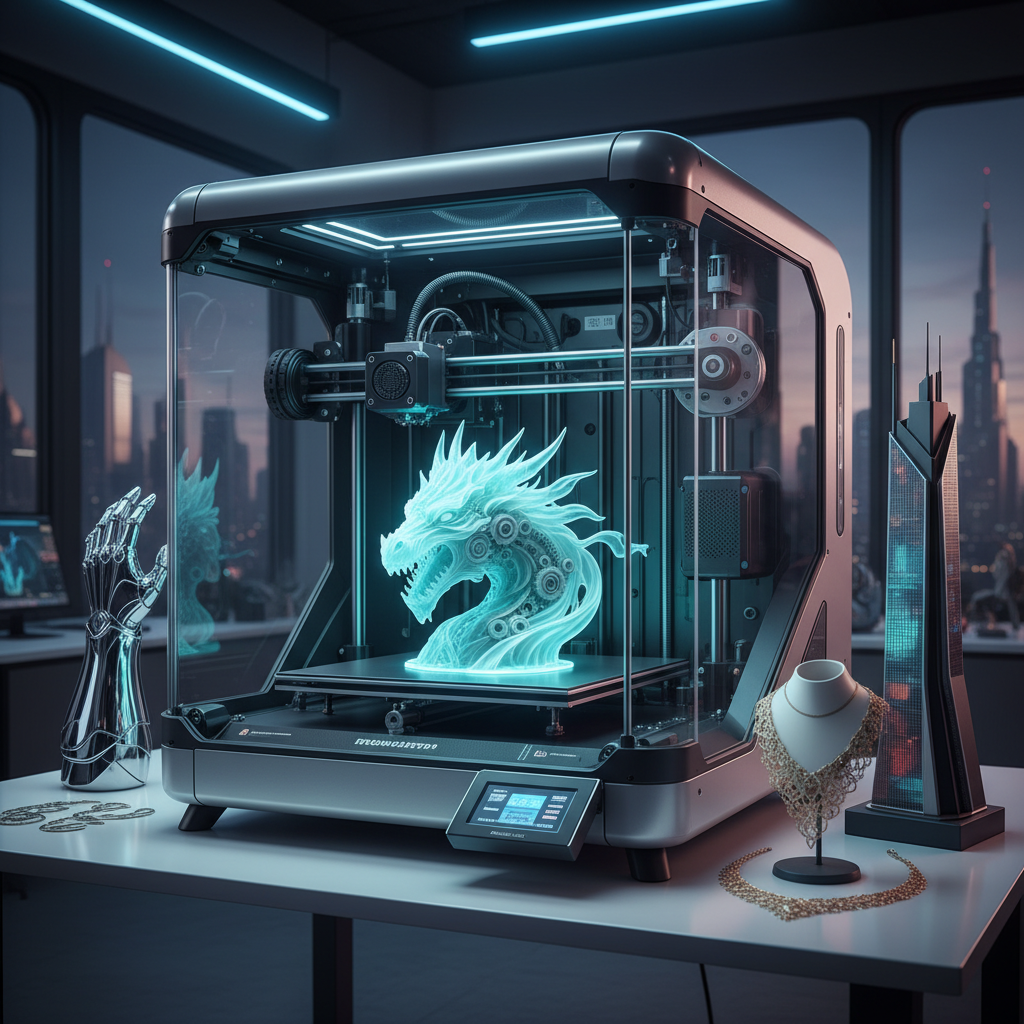
Experts within the industry, like Dr. Anna K. Schmidt, a leading researcher in additive manufacturing, have emphasized the potential of high end 3D printers to revolutionize design capabilities. "High end 3D printers allow for unparalleled creativity and customization, enabling designers to produce intricate geometries that were once deemed impossible," she noted. This transformative technology not only enhances product development but also shortens the time-to-market, making it a crucial element for businesses striving to maintain a competitive edge.
As we delve deeper into the capabilities and applications of high end 3D printers, it is essential to understand how these innovations are not merely tools, but rather catalysts for creativity and efficiency within the modern manufacturing landscape.
The Evolution of High-End 3D Printers: Key Features Driving Innovation
The evolution of high-end 3D printers has been marked by significant technological advancements that have transformed the way creators approach design and production. With the introduction of precision engineering, these printers boast enhanced resolution and detail, allowing for the creation of intricate models that were previously challenging to achieve. Notably, features such as multi-material printing and advanced software integration have expanded the creative possibilities, enabling designers to experiment with complex geometries and mixed-material applications.
Moreover, high-end 3D printers now incorporate robust features like increased build sizes, faster printing speeds, and improved reliability. Innovations such as closed-loop feedback systems optimize print quality in real-time, minimizing defects and wastage. The adaptability of these machines facilitates rapid prototyping in various industries, from aerospace to healthcare, emphasizing how tailored solutions can be developed efficiently and effectively.
As a result, the high-end 3D printing landscape continues to drive innovation, inspiring a new generation of creators to push the boundaries of what is possible in additive manufacturing.
Market Trends: The Surge in High-End 3D Printer Adoption in 2025
The surge in high-end 3D printer adoption in 2025 is a significant market trend that reflects the growing demand for innovative manufacturing solutions. With the global CAE (Computer-Aided Engineering) market projected to reach a valuation of $7,072.3 million by 2025, and continuing to rise to $12,993.7 million by 2033 at a compound annual growth rate (CAGR) of 7.9%, this sector is witnessing an impressive transformation. High-end 3D printers are at the forefront of this evolution, offering precision and versatility that enables businesses to enhance their production capabilities and explore new design possibilities.
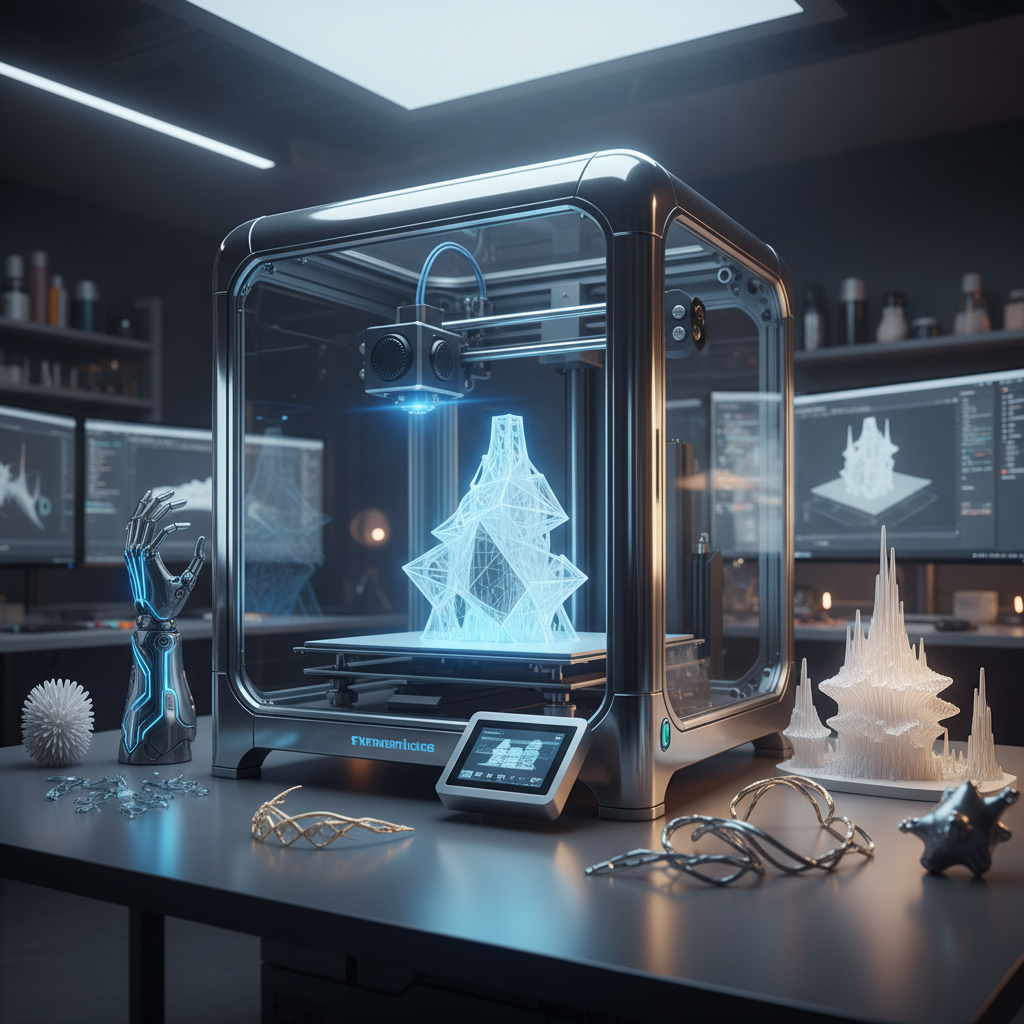
The increase in consumer spending also plays a vital role in this trend. As indicated by data showing a retail sales growth of 5.0% in China during the first half of 2025, there is a broader economic revival that supports investment in advanced technologies. In particular, the restorative dental market is expected to grow from $2,503.04 million in 2025 to $3,532.14 million by 2033, with an estimated CAGR of 4.4%. This growth showcases the potential of high-end 3D printing in specialized fields, driving innovation and improving product offerings across various industries.
Technical Specifications: Materials and Technology Behind Premium 3D Printing
High-end 3D printers represent the pinnacle of additive manufacturing technology, offering unparalleled precision, speed, and versatility. At their core, these devices leverage advanced materials and techniques that significantly enhance the quality of final creations. High-end models typically utilize engineering-grade materials such as Nylon, TPU, and metal powders, allowing for stronger, more durable components. Technologies like SLA (Stereolithography), SLS (Selective Laser Sintering), and multi-material printing enable users to achieve remarkable detail and complex designs that were previously challenging.
Tip: When selecting a high-end 3D printer, consider the range of materials it supports. Certain printers excel in specific materials, so aligning your project requirements with the printer's capabilities can save you time and resources.
Moreover, connectivity features such as cloud integration and advanced software options streamline the design-to-print workflow. This connectivity allows for real-time monitoring and adjustments, optimizing the process for efficiency and accuracy. With user-friendly interfaces and sophisticated slicer software, even intricate designs can be transformed into tangible products with minimal effort.
Tip: Always keep your software updated to take advantage of the latest enhancements. This can greatly improve print quality and reduce the likelihood of errors during production.
Impact on Industries: High-End 3D Printers Revolutionizing Manufacturing Processes
High-end 3D printers are transforming the landscape of various industries, particularly in manufacturing. With the capability to produce complex geometries and intricate designs, these advanced devices are streamlining production processes. According to a report by Wohlers Associates, the additive manufacturing industry is projected to grow to $35.6 billion by 2024, driven largely by high-end printers that enable rapid prototyping and mass customization without the need for extensive tooling.
In sectors like aerospace and automotive, the use of high-end 3D printers significantly reduces lead times and material waste. For instance, GE Aviation utilized additive manufacturing to produce fuel nozzles for its LEAP engine, which are 25% lighter and five times more durable than their traditionally manufactured counterparts. This innovation not only enhances performance but also leads to cost savings. Furthermore, a study by IDTechEx highlighted that the adoption of 3D printing technologies in manufacturing can lead to a 90% reduction in part counts, facilitating a shift towards more efficient and sustainable production methods. Such advancements illustrate how high-end 3D printers are revolutionizing manufacturing processes, paving the way for a more agile and innovative industrial future.
Future Prospects: Predictions for High-End 3D Printing Market Growth by 2030
As the high-end 3D printing market continues to evolve, predictions for its growth by 2030 are both ambitious and exciting. Analysts forecast a surge in demand driven by advancements in technology, materials, and applications across various industries. The integration of artificial intelligence and machine learning into 3D printing processes is expected to enhance precision and reduce production times, making high-end printers more accessible and desirable for businesses and creators alike.
Moreover, industries such as aerospace, healthcare, and automotive are increasingly adopting high-end 3D printing solutions to streamline manufacturing processes and create complex geometries that traditional methods cannot achieve. This shift not only signifies a transformation in how products are designed and produced but also hints at a broader trend toward customization and sustainability. The growing focus on eco-friendly materials will further bolster the market, leading to innovative solutions that cater to the needs of environmentally conscious consumers. As we approach 2030, the fusion of advanced technology and diverse applications positions the high-end 3D printing sector for remarkable growth, reshaping the landscape of modern manufacturing.