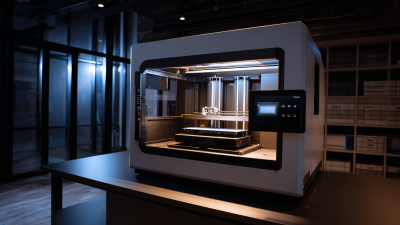
How to Choose the Best Mini 3D Printer for Your Needs?
Choosing the right mini 3D printer can be a daunting task. With numerous options available, it is essential to find one that fits your specific needs. David Thompson, a renowned expert in the field, once stated, “The best mini 3D printer is the one that aligns with your creative vision and technical requirements.” This highlights the importance of personalization in your selection process.
Understanding what features matter most is crucial. Consider factors like build volume, print speed, and material compatibility. Some models are great for beginners, while others suit advanced users. It's not just about the price; the value provided can vary significantly. Different projects may reveal unexpected limitations of various printers. You might find that a printer excels in one area but falls short in another.
Making an informed decision relies on careful assessment. Explore customer reviews and comparisons to gauge reliability. Seek a balance between features and usability. A mini 3D printer should enhance your creativity, not hinder it. Take time to reflect on your specific needs and preferences before diving into the purchase. This thoughtful approach will lead you to a printer that brings your ideas to life.
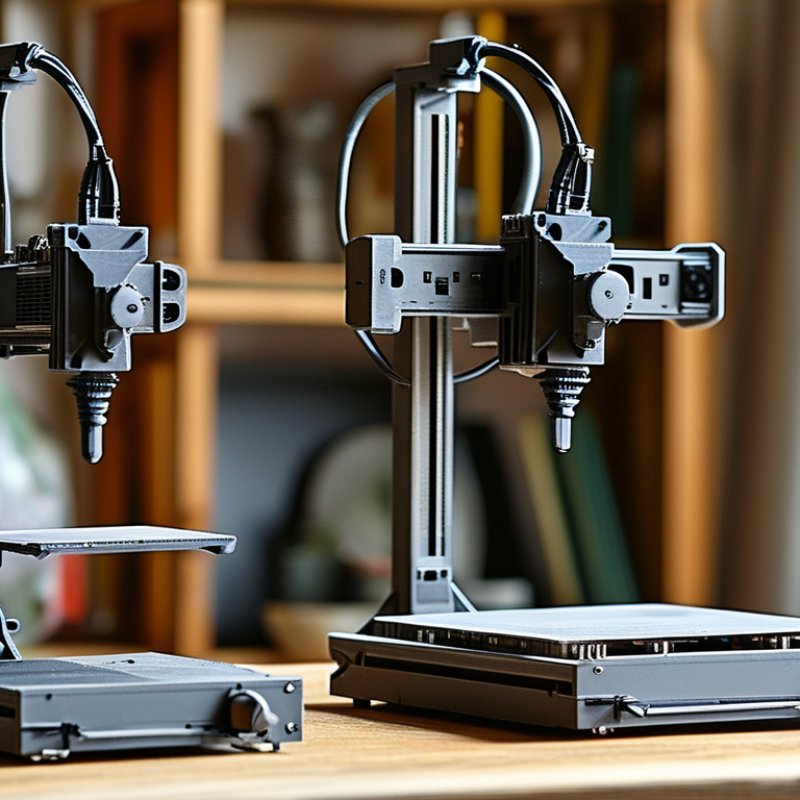
Understanding Your 3D Printing Needs and Goals
Understanding your 3D printing needs is crucial for selecting the right mini 3D printer. Start by identifying what you plan to print. Are you focusing on prototypes, art pieces, or functional items? The purpose of your prints will guide your requirements. If you're aiming for detailed models, you need a printer that excels in resolution. For simple designs, a more basic option might suffice.
Consider the materials you want to use. Different printers handle various filaments differently. Some work best with plastics, while others can print with metal or resin. Think about the availability and cost of the materials too. Will you be experimenting frequently, or will you stick to a few basic types?
Evaluate the size of your projects. Ensure the build volume matches your expectations. Larger prints require more space and may need a more robust printer. Reflecting on your experience level is also vital. Beginners might want user-friendly options with support, while experts could consider advanced features. Balancing these aspects will help pinpoint the best choice for your needs and goals.
Key Features to Look for in Mini 3D Printers
When choosing a mini 3D printer, consider several key features. Print quality is paramount. The layer resolution, measured in microns, indicates how detailed your prints can be. Printers offering resolutions of 50 microns or lower typically yield smoother finishes. According to a 2023 industry report, 75% of users prioritize print quality over speed or cost.
Additionally, ease of use plays a significant role. Look for printers with user-friendly interfaces and straightforward assembly. Many new users find themselves frustrated with complex setups. A survey revealed that 60% of novice users abandoned their 3D projects due to difficult initial experiences. Compatibility with various filament types is also crucial. Some mini 3D printers support multiple materials like PLA, ABS, and PETG, expanding your creative potential.
Lastly, consider the printer's build volume. A larger build volume allows for bigger projects, but it can't compromise the printer's footprint. Sustainability is becoming a focal point as well. Industry data indicates that 40% of consumers are now looking for eco-friendly 3D printing options. Always factor in whether the printer can handle recycled materials. Each feature contributes to the overall printing experience and can guide you toward a printer that truly meets your needs.
Comparing Different Mini 3D Printer Technologies
When exploring mini 3D printers, it's vital to consider the technology behind them.
The two most common methods are Fused Deposition Modeling (FDM) and Stereolithography (SLA).
According to a market report by SmarTech Analysis, FDM printers account for nearly 70% of the consumer 3D printing market due to their affordability and ease of use.
They work by melting plastic filament, which is layer by layer deposited to create an object.
In contrast, SLA printers utilize a different approach.
They employ a laser to cure liquid resin into solid parts. This technology offers superior detail and surface finish, making it ideal for applications requiring high precision.
A study from 3D Printing Industry estimates that SLA models have gained popularity, increasing market demands by over 40% annually.
Nevertheless, both technologies come with challenges. FDM printers can struggle with layer adhesion and warping, especially with larger models.
SLA printers, while providing excellent resolution, often need post-processing and can be messy.
Understanding these nuances is crucial for choosing the right mini 3D printer that aligns with specific needs and projects.
Assessing Budget and Cost-Effectiveness
When assessing your budget for a mini 3D printer, it’s essential to analyze both the purchase price and ongoing costs. The initial investment can vary significantly based on the printer's features. Some models may appear affordable at first glance but can incur high material costs over time. Look beyond the sticker price. Consider how much filament or resin you will need, as these will add to your total expenditure.
Quality and functionality matter too. A cheaper printer might save you money upfront but can lead to frustration with print quality. Research user reviews to understand common issues. There’s also the question of technical support. A low-cost option without proper support might leave you feeling stranded. Consider whether you are willing to troubleshoot or if you prefer reliable customer service.
Reflect on how often you will use the printer. If it's for occasional projects, a more budget-friendly model might suffice. For regular use, investing in quality could save future expenses. Balance your budget with the expected outcomes. It’s crucial to find a printer that fits your needs without overspending. Evaluate your priorities carefully before making a decision.
Reading Reviews and Recommendations for Mini 3D Printers
When selecting a mini 3D printer, reading reviews can be invaluable. Start by seeking out community feedback. Online forums often contain detailed discussions about user experiences. Consider both positive and negative reviews. They will provide insight into practical usability.
Look for reviews that detail the setup process. Some printers can be frustrating to assemble. Others may require extensive calibration. Reading about these experiences will help you gauge what to expect. Take note of recurring comments about print quality and reliability. Specific feedback often reveals common pitfalls.
Don't be swayed solely by star ratings. A high rating can sometimes mask issues. For example, a printer might perform well initially but fail over time. It's essential to read the fine print. User reviews often highlight long-term performance or parts that wear out. This information can help you avoid costly mistakes.