
7 Tips to Choose a Carbon Steel Coil Supplier
Choosing a Carbon Steel Coil Supplier is a practical decision, not merely a price comparison. The coil may arrive as wide, heavy rolls, yet small defects can affect an entire production line. Uneven thickness, edge cracks, or inconsistent surface finish can create costly rework. A reliable supplier should therefore demonstrate production experience, clear inspection procedures, and responsive technical support.
Industry data shows why careful sourcing matters. The World Steel Association’s World Steel in Figures 2024 reported approximately 1.89 billion tonnes of crude steel production in 2023. This enormous market includes producers with very different equipment, controls, and service standards. Meanwhile, the OECD’s Steel Market Developments reports continued pressure from excess capacity and uneven demand. More supply does not always mean better quality. Sometimes, it creates more confusion.
The seven tips in this guide focus on measurable evidence. Check chemical composition records, mill test certificates, dimensional tolerances, coating details, and packaging practices. Ask whether the supplier follows recognized specifications, such as ASTM, EN, or JIS standards. Confirm batch traceability from the mill to your warehouse. A strong supplier should also explain lead times honestly and handle claims with documented corrective actions. ISO 9001 certification can support confidence, but it is not proof of perfect performance. No checklist is flawless. I have seen buyers overlook loading protection because the quoted price looked attractive. That mistake can become visible only when rust appears after transport. By comparing technical capability, consistency, communication, and total landed cost, purchasers can make a more defensible decision.
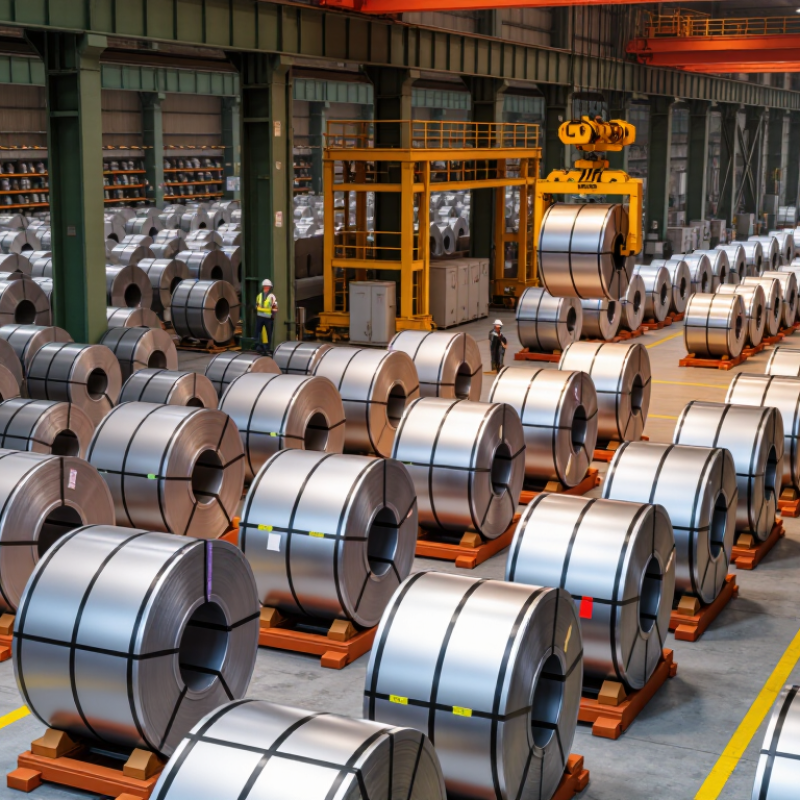
Define Your Carbon Steel Coil Requirements and Application Needs
Before comparing carbon steel coil suppliers, define the job the coil must perform. Record the required grade, thickness, width, coil weight, surface condition, and edge type. Then describe the application in plain terms: roofing panels, stamped parts, welded frames, or structural components. Each use changes the risk. Outdoor panels may need corrosion protection and coating compatibility, while deep drawing demands controlled formability. Do not rely on a broad label such as “carbon steel.” Mechanical properties, carbon content, yield strength, and elongation should match the forming process. Small differences matter. Ask an engineer to review drawings, bend radii, cutting methods, and expected service temperature. That review can expose hidden requirements before quotations arrive.
Your request should also state delivery tolerances and inspection documents. Specify thickness tolerance, camber limits, flatness, coil ID, outer diameter, and maximum lifting weight. Request heat numbers, mill test certificates, dimensional reports, and coating or oiling details when relevant. These records support traceability and help verify what actually arrives. Pictures are useful, but they do not replace test data. A practical supplier will ask questions instead of accepting vague specifications. Be cautious if a quotation ignores application conditions or promises every grade without clarification. That may indicate weak technical control.
Cost deserves attention, but the cheapest coil can create more scrap, rework, and downtime. Estimate total use cost, including slitting loss, rejected parts, storage, transport, and incoming inspection. Discuss trial coils when the application is new or the forming window is narrow. Test a small coil. A common shop-floor lesson is that an omitted edge condition can pass basic inspection but fail during stamping. It is easy to assume the supplier understands the application; that assumption is often wrong.
Verify Material Quality, Grades, Dimensions, and Technical Standards
7 Tips to Choose a Carbon Steel Coil Supplier
Verify material quality before discussing price or delivery speed. Ask for the mill test certificate for each coil batch, not a generic document. Check the heat number, chemical composition, yield strength, tensile strength, and elongation. These details should match the ordered grade and remain traceable to the coil label. A supplier that cannot explain this link deserves careful review. I have found that clear records often reveal more than polished sales language.
Confirm the required grade against the actual application and technical standard. Carbon steel grades may look similar, yet their forming, welding, and strength characteristics can differ significantly. Request the applicable standard, revision year, and inspection method. Then compare those requirements with the certificate and purchase specification. Independent inspection can verify chemistry, mechanical properties, surface condition, and coating weight when the order is critical. It costs more, but an unplanned production delay costs more.
Dimensions require equal attention. Check thickness, width, coil inner diameter, outer diameter, weight, flatness, and permitted tolerances. Measure several points, because one reading can hide variation. Small details matter. Ask how the supplier calibrates gauges and records results. Photographs of coil markings and packaging can support traceability, but they are not a substitute for measurement. I still question spreadsheets with perfect numbers; real production data usually contains minor variation. The important issue is whether that variation stays within the agreed technical limits.
Evaluate Supplier Production Capacity, Equipment, and Quality Control
7 Tips to Choose a Carbon Steel Coil Supplier
A supplier’s production capacity should match your order pattern, not just your annual demand. Ask for monthly output, current utilization, lead times, and backup plans during peak periods. A large factory may still delay smaller orders. Capacity is not output. Request recent production records and shipment schedules, with sensitive commercial details removed. This evidence reveals whether stated capacity is practical.
Inspect the equipment supporting coil production. Continuous casting lines, hot and cold rolling mills, annealing furnaces, and leveling machines affect consistency. Ask how often critical equipment receives calibration and preventive maintenance. Pay attention to line age, automation, and inspection points. A clean facility helps, but it does not prove reliable performance. I once trusted an impressive workshop appearance and overlooked maintenance records. That assumption was weak.
Quality control should cover raw materials, chemical composition, dimensions, surface condition, and mechanical properties. Request sample inspection reports, mill test certificates, and traceability procedures for each coil. Confirm whether inspectors use calibrated spectrometers, thickness gauges, and tensile testing equipment. Ask how nonconforming coils are isolated and corrected. Small gaps matter. Compare a supplier’s stated tolerance with your actual fabrication needs, because overly broad specifications can create hidden waste. Require a trial order when possible, then evaluate coil weight, edge quality, packaging, and delivery accuracy before expanding the relationship.
Check Certifications, Traceability, Delivery Reliability, and Customer Support
Choosing a carbon steel coil supplier requires more than comparing prices. Certifications should match your application, market, and required steel grade. Ask for current ISO 9001 records, product certificates, and applicable inspection documents. Check the issuing body, certificate scope, expiry date, and covered production site. A certificate alone proves little.
Traceability should continue from heat number to coil label, test report, and shipping record. Request a sample document before placing a large order. The report should identify chemical composition, mechanical properties, dimensions, and testing standards. Confirm that labels remain readable after handling. Small details matter. I once reviewed a shipment where the steel met specifications, but mixed labels slowed production for two days. That experience changed how I assess suppliers.
Delivery reliability needs evidence, not promises. Review recent lead times, stock policies, loading procedures, and responses to delays. Ask how the supplier protects coils from moisture during storage and transport. Clear packaging photos can reveal careless handling. Customer support is equally important. Test response speed with practical questions about tolerances, certificates, claims, and replacement procedures. Speak with technical staff, not only sales representatives. A dependable supplier explains limitations openly and records every change. No supplier is perfect. However, consistent documentation, realistic schedules, and accountable communication reduce costly surprises.
Compare Pricing, Payment Terms, Packaging, and Long-Term Value
7 Tips to Choose a Carbon Steel Coil Supplier
Tip 1: Compare the delivered price, not only the mill price. Add slitting, inland freight, insurance, duties, and port charges.
Tip 2: Request a firm validity period. Steel prices can shift before approval. The World Steel Association reported 1.88 billion tonnes of crude steel production in 2024, showing the market’s enormous scale and volatility. A low quotation may hide thin specifications, unclear tolerances, or costly minimum quantities.
Tip 3: Examine payment terms carefully. A 30/70 structure may protect cash flow better than full prepayment, but the cheaper option is not always safer.
Tip 4: Ask for inspection rights before shipment. Confirm coil weight, width, thickness, grade, and test certificates.
Tip 5: Check packaging details, including waterproof paper, edge protection, steel strapping, and eye orientation. Small omissions can create rust stains during a humid voyage. That repair bill is real. I have seen buyers focus on price and overlook handling damage.
Tip 6: Measure long-term value through rejection rates, delivery consistency, and technical support. The OECD Steel Outlook 2024 projects global excess capacity could reach about 630 million tonnes by 2026. This pressure may create attractive offers, but also encourages unrealistic promises.
Tip 7: Review at least three quotations using the same specification sheet. Record payment exposure, packaging quality, lead time, and claim procedures. The comparison will not be perfect. Still, it is far better than choosing from price alone.